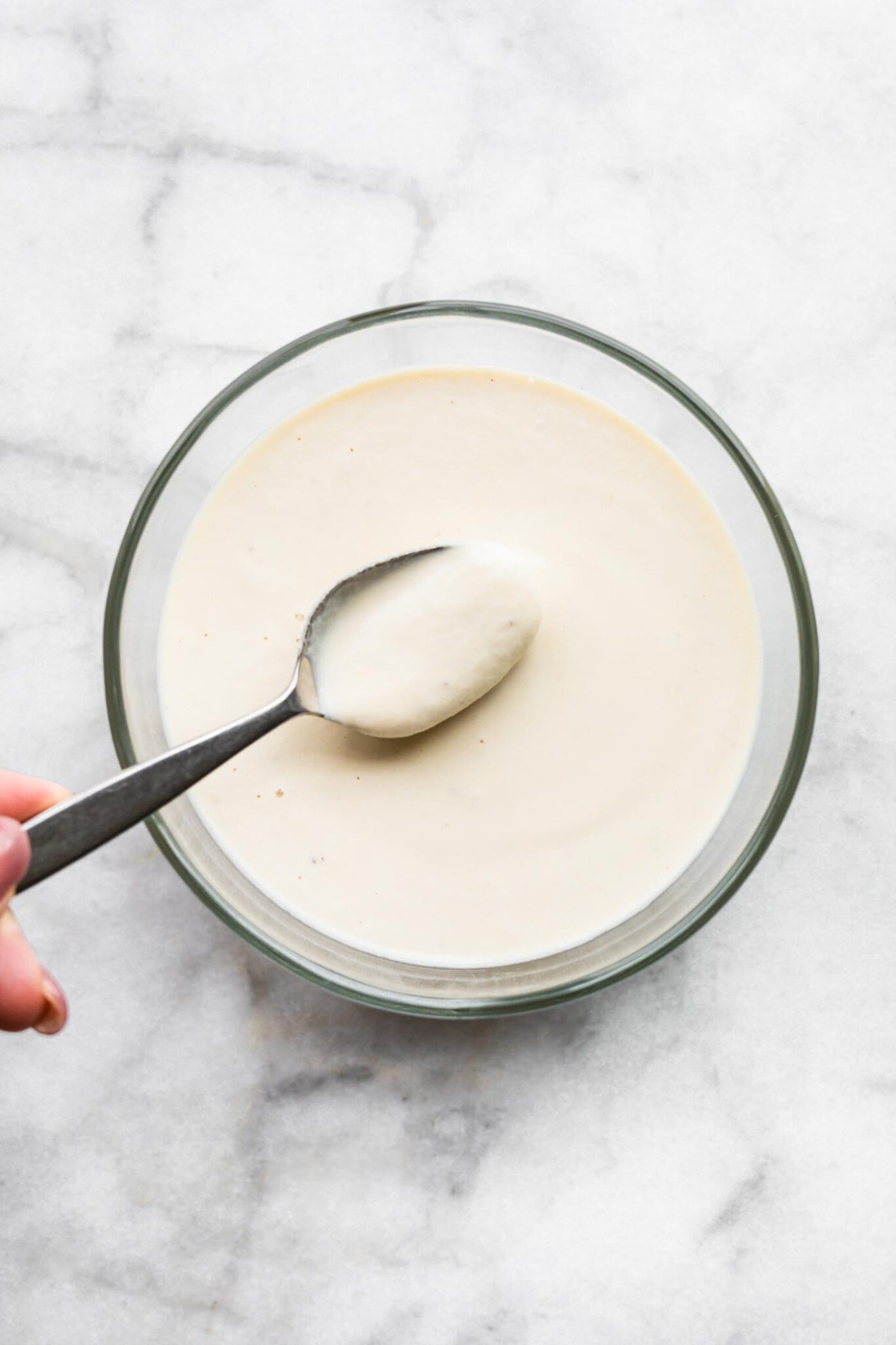
For too long, the quest for a truly decadent, dairy-free cream sauce has been a journey filled with disappointment. From gritty experiments to watery imitations, many plant-based alternatives simply couldn't capture that luscious, velvety texture we crave. But what if we told you the secret to a genuinely creamy, luscious vegan cashew cream sauce lies not in obscure ingredients, but in a humble nut and a simple technique? Get ready to transform your culinary world, because today, we're diving deep into making the ultimate savory vegan cashew cream sauce that will fool even the most ardent dairy lovers.
Whether you're navigating dietary restrictions or simply exploring the vibrant world of plant-based cuisine, this article is your definitive guide to creating a sauce that is not just "good for vegan," but genuinely incredible. Forget the lackluster attempts with cauliflower or nut milks that fall short. We're here to deliver a game-changing recipe that boasts a silky-smooth texture and a neutral base, perfect for taking on any savory flavor profile you desire.
The Quest for Unparalleled Creaminess: Why Cashews Reign Supreme
Many of us have been down the road of dairy-free cream sauce experimentation, only to be met with less-than-ideal results. I remember my own early attempts with cashew-based sauces turning out surprisingly gritty, leaving me skeptical about their potential. Then came the cauliflower craze, promising a creamy, vegetable-rich alternative. While adaptable, cauliflower cream sauce, in my experience, consistently failed to deliver that truly rich, smooth mouthfeel. I vividly recall a time I was cooking pasta with a cauliflower sauce, and in a desperate attempt to salvage it, kept adding splashes of heavy cream and butter – completely defeating the purpose of a dairy-free dish!
This history of culinary letdowns makes the success of a properly prepared savory vegan cashew cream sauce all the more remarkable. The difference is night and day. Cashews possess a unique composition of healthy fats and a relatively soft texture that, when processed correctly, emulsify into an astonishingly smooth and rich cream. Unlike other nuts or vegetables, cashews can mimic the luxuriousness of heavy cream without the grittiness or the need for dairy intervention. This sauce isn't just a substitute; it's a culinary revelation, so convincing that even skeptics like my friend Tyler didn't realize his pasta dish was entirely dairy-free!
Unlocking Silky Smooth Perfection: The Art of Soaking Cashews
Here's the absolute, non-negotiable key to achieving that dream-like, silky-smooth texture in your savory vegan cashew cream sauce: you must soak your cashews. This isn't just a suggestion; it's the foundational step that elevates your sauce from good to truly exceptional. Skipping this step is the primary reason many cashew cream attempts end up gritty and disappointing.
Why Soaking is Non-Negotiable:
- Softens the Nuts: Soaking raw cashews significantly softens their structure, making them much easier for your blender to break down completely. This is crucial for eliminating any trace of grittiness.
- Enhances Digestibility: Beyond texture, soaking nuts and seeds helps reduce phytic acid, an antinutrient that can interfere with nutrient absorption. This makes the cashews gentler on your digestive system.
- Improves Flavor and Texture: Soaking can also subtly improve the overall flavor profile, creating a cleaner, more neutral taste that's ideal for a versatile base. It also helps achieve a more uniform, velvety texture.
How to Soak Your Cashews:
There are two main methods for soaking, depending on how much time you have:
- The Long Soak (Best Method):
- Place your raw cashews (always use raw, unsalted cashews!) in a bowl or mason jar.
- Cover them with at least an inch of filtered cold water.
- Let them soak at room temperature for a minimum of 4 hours, or ideally overnight (8-12 hours).
- This method yields the creamiest results and is perfect if you can plan ahead. Pop them in the morning, and they're ready for dinner!
- The Quick Soak:
- If you're short on time, place your cashews in a heat-proof bowl.
- Cover them with boiling water.
- Let them soak for at least 30 minutes, or up to an hour.
- While effective, the long cold soak generally produces a slightly superior texture, but the quick soak is a fantastic alternative in a pinch.
Regardless of the method you choose, always drain and rinse your soaked cashews thoroughly before blending. This removes any phytic acid or residual starchy liquid, ensuring the cleanest possible flavor.
Crafting Your Savory Vegan Cashew Cream Sauce: Step-by-Step
Once your cashews are perfectly prepped, the rest is remarkably simple. You're just a few short steps away from a truly spectacular savory vegan cashew cream sauce that will become a staple in your kitchen.
Essential Ingredients:
- 1 cup raw cashews, soaked and drained: The star of the show!
- ½ - ¾ cup filtered water: Start with ½ cup and add more as needed for desired consistency.
- 1-2 cloves garlic (optional, but highly recommended for savory base): Adds depth and aromatic flavor.
- 1-2 tablespoons nutritional yeast (optional): For a subtle cheesy, umami note.
- ½ teaspoon salt, or to taste: Essential for balancing flavors.
- ¼ teaspoon black pepper, or to taste: For a hint of spice.
- 1 tablespoon lemon juice (optional): Brightens the flavor, especially for sauces intended for pasta or dressings.
Equipment:
- High-powered blender: This is crucial for achieving that ultra-smooth, velvety texture. Standard blenders may struggle to fully pulverize the cashews, leading to a less creamy result.
The Blending Process:
- Combine Ingredients: Add the soaked and drained cashews, ½ cup of filtered water, garlic (if using), nutritional yeast (if using), salt, pepper, and lemon juice (if using) to your high-powered blender.
- Start Blending: Begin blending on low speed, gradually increasing to high. You'll likely need to stop and scrape down the sides of the blender a few times to ensure everything is incorporated.
- Achieve Creaminess: Continue blending on high for 2-5 minutes, or until the mixture is completely smooth and free of any gritty texture. The longer you blend, the creamier and warmer the sauce will become. If your blender has a tamper, use it to push the ingredients down towards the blades.
- Adjust Consistency: If the sauce is too thick, add additional water, one tablespoon at a time, blending well after each addition, until you reach your desired consistency. For a thick dip, less water is needed; for a pourable pasta sauce, you'll need more.
- Taste and Adjust: Taste your savory vegan cashew cream sauce and adjust seasonings as needed. You might want more salt, pepper, or a squeeze of lemon juice to enhance the flavors.
Beyond the Base: Elevating Your Savory Vegan Cashew Cream Sauce
What makes this savory vegan cashew cream sauce truly remarkable is its incredible versatility. Like a traditional dairy cream sauce, it’s a neutral canvas awaiting your culinary creativity. It doesn't have a strong flavor on its own, which makes it the perfect base to infuse with distinct and exciting tastes. Here are some ideas to transform your base sauce into something extraordinary:
Savory Flavor Variations:
- Garlic Herb Sauce: In addition to the base garlic, add fresh or dried herbs like rosemary, thyme, oregano, or parsley. A touch of onion powder can also deepen the savory profile.
- Cheesy Cashew Cream: Increase the nutritional yeast to 3-4 tablespoons for a more pronounced "cheesy" flavor. A pinch of black salt (kala namak) can even add an eggy, sulfurous note often found in cheese sauces.
- Spicy Kick: Blend in a pinch of cayenne pepper, a dash of hot sauce, or a roasted jalapeño for a fiery cream sauce perfect for tacos or spicy pasta dishes.
- Umami Mushroom Sauce: Sauté some mushrooms (cremini or shiitake work well) with a splash of soy sauce or tamari, then blend them directly into your cashew cream base.
- Lemon-Dill Sauce: Ideal for drizzling over roasted vegetables or plant-based fish alternatives. Add more lemon juice and plenty of fresh dill.
- Roasted Red Pepper Sauce: Blend in roasted red peppers (from a jar or freshly roasted) for a vibrant, slightly sweet, and smoky cream sauce.
Versatile Applications:
The possibilities are endless! This versatile sauce can be used in countless savory recipes:
- Pasta Sauce: Toss it with your favorite pasta and veggies for a rich, comforting meal. (Unlock Flavor: The Ultimate Versatile Vegan Cashew Cream Sauce has more ideas!)
- Creamy Soup Base: Stir it into vegetable broths to create creamy, hearty soups.
- Dressings and Dips: Thin it out slightly for a salad dressing or keep it thicker for a luscious dip for raw vegetables, crackers, or baked fries.
- Stir-Fry Sauce: A creamy addition to your favorite stir-fries.
- Casseroles and Bakes: Use it as a binder or topping for gratin-style dishes.
- Sauce for Bowls: Drizzle it generously over grain bowls, roasted vegetable bowls, or buddha bowls.
- Enchiladas or Tacos: A fantastic dairy-free topping or filling.
Remember, if you ever decide to venture into a non-savory application (like a coffee creamer or a sweet drizzle), be sure to omit the garlic and any savory seasonings from the base recipe!
Troubleshooting & Storage Tips for Your Cashew Masterpiece
While making a savory vegan cashew cream sauce is generally straightforward, a few tips can help you troubleshoot common issues and ensure optimal storage.
Common Troubleshooting:
- Gritty Texture: This is almost always due to insufficient soaking or not blending long enough. Go back to basics: ensure cashews are soft to the touch after soaking and blend on high for a full 2-5 minutes, scraping down the sides. A high-powered blender is your best friend here.
- Too Thick: Simply add more filtered water, one tablespoon at a time, and blend until you reach your desired consistency.
- Too Thin: If it's just slightly too thin, you can try refrigerating it for an hour; it often thickens slightly when cold. If significantly too thin, you may need to add a few more soaked cashews and re-blend, or incorporate a thickening agent like a bit of cornstarch slurry (mixed with cold water, then heated gently).
- Lack of Flavor: The base is neutral! Don't be shy with seasonings. Taste and adjust salt, pepper, garlic, nutritional yeast, or lemon juice. Remember to add your specific flavor variations as discussed above.
Storage:
- Refrigerator: Your finished cashew cream will keep beautifully in an airtight container in the refrigerator for 3-4 days. It may thicken slightly upon chilling, so you might need to add a splash of water and re-whisk or re-blend briefly before serving.
- Freezing: Yes, you can freeze cashew cream! Store it in an airtight freezer-safe container or ice cube trays for convenient portions. It can last for up to 1-2 months. When ready to use, thaw in the refrigerator overnight. You may notice a slight change in texture or separation after thawing, so a quick re-blend with a splash of fresh water will typically bring it back to its original creamy glory.
Conclusion
Say goodbye to disappointing dairy-free alternatives and welcome the glorious world of savory vegan cashew cream sauce into your kitchen. With the simple, yet crucial, step of soaking, and the power of a good blender, you can create a versatile, velvety sauce that is truly life-changing. From rich pasta dishes to creamy dips and everything in between, this cashew cream will become your go-to for adding luxuriousness to countless plant-based meals. So, gather your cashews, embrace the soak, and prepare to be amazed by the incredible creaminess you can achieve!
